Bringing Dreams to Life: How Event Planners Can Elevate Your Non-Profit Charity Events
Event coordinators act as vital allies for nonprofit organizations, turning visionary concepts into concrete achievements. Their expertise bridges gaps in logistics, vendor relations, and thematic creativity. By adopting strategic budgeting and leveraging social media, they enhance fundraising efforts and community engagement. Nevertheless, the path from idea to implementation is complex. Recognizing how to identify the best organizer and deploy successful approaches can profoundly affect an event's results. What components will finally shape that accomplishment?
The Importance of Event Planners
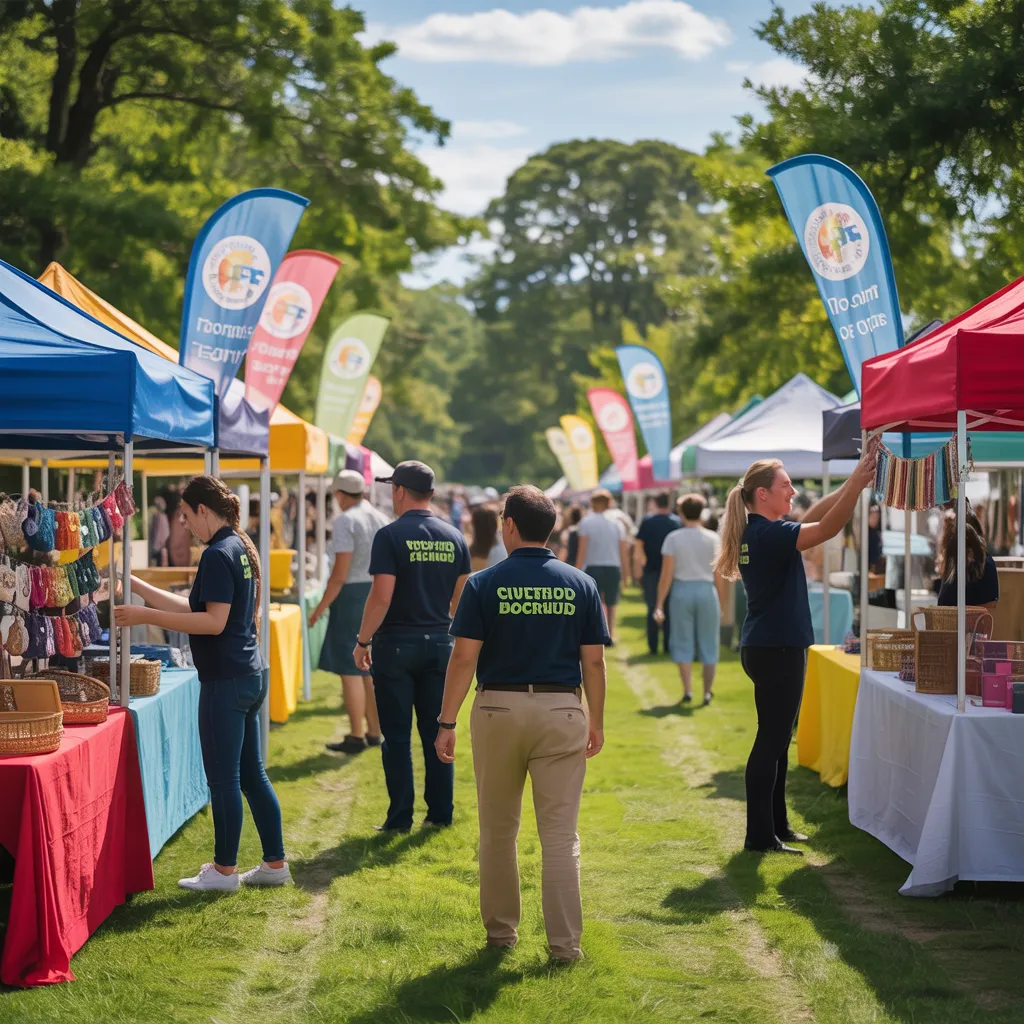
Event organizers function as the backbone of charitable non-profit events, coordinating every aspect to ensure success. Their primary responsibility involves comprehending the organization's mission and vision, transforming these into a unified event plan. They oversee operations, such as venue selection, catering, and audiovisual requirements, guaranteeing that every aspect corresponds with the event's purpose.
Additionally, event planners are skilled in budgeting, helping organizations to maximize their resources while minimizing costs. They build relationships with vendors and sponsors, negotiating contracts that benefit the charity's financial objectives.
Alongside organizational duties, they also concentrate on marketing the event, leveraging digital platforms and conventional methods to drive attendance and engagement. By coordinating volunteers and staff, they establish a productive group dynamic, maintaining organized workflows throughout the event. Ultimately, the function of an event coordinator is critical in maximizing the total effectiveness and achievement of nonprofit fundraising occasions.
Picking Your Event Planner
What steps can a non-profit organization take to ensure it chooses the ideal event planner for its charity event? The hiring process commences with locating planners who carry relevant experience in the non-profit sector. Non-profit organizations ought to review portfolios and case studies in order to gauge prior achievements and pertinent expertise. Engaging in conversations with potential planners allows for insights into their understanding of non-profit goals and values.
Additionally, organizations should seek referrals from associates or sector networks to verify trustworthiness. Consulting prospective planners about their approach to planning, approaches to resolving issues, and goals for the occasion can uncover compatibility. Budget considerations are also vital; event planners must offer clear pricing frameworks that suit the organization's financial constraints. Lastly, examining communication approaches is necessary—strong working relationships are built on clear and consistent communication. By thoroughly evaluating these aspects, a non-profit can decisively appoint an professional planner who will successfully enhance its charitable occasion.
Engaging Themes That Inspire
What elements make a theme truly compelling for a charity event? An effective theme connects with attendees and supports the goals of the non-profit. It ought to inspire emotion, fostering curiosity and involvement among participants. For instance, a "Masquerade Ball" can create an air of mystery, encouraging guests to connect through shared experiences.
Moreover, themes ought to be visually impressive, boosting the overall atmosphere and ensuring the event is memorable. Integrating interactive elements, such as photo stations or live performances, can additionally engage attendees.
Moreover, a carefully chosen theme can facilitate the overall planning process, guiding decisions related to decor, food, and entertainment. By making sure that all components of the event represent the selected theme, planners can deliver a cohesive experience that supports the organization's message. In the end, a captivating theme not only attracts attendees but also fosters a more meaningful connection to the purpose, inspiring generosity and support.
Effective Financial Planning for Charity Events
A captivating theme defines the character of a charity event, but proper budgeting secures its successful implementation. Strategic budgeting demands a detailed analysis of both fixed and variable costs, guaranteeing that every dollar advances the event's purpose. Professional event organizers commonly advise creating a structured budget plan that includes facility costs, catering services, promotional efforts, and entertainment.
Carefully allocating funds is fundamental; planners encourage identifying vital elements that align with the event's mission. Furthermore, exploring in-kind donations and corporate sponsorships can substantially cut costs, freeing up additional budget to be allocated toward the primary objective.
Routine financial reviews across the planning timeline can help prevent unexpected financial challenges. By keeping stakeholders informed about expenditures, meaningful partnerships and cooperation can thrive. In the end, thoughtful financial planning not only strengthens the event's effectiveness but also bolsters the non-profit's standing, ensuring that participants feel their contributions are making a meaningful difference.
Effortless Logistics Management
Efficient logistics planning is vital for the achievement of non-profit fundraising events. This involves efficient venue coordination, well-managed vendor collaborations, and timely schedule management to ensure that every detail aligns seamlessly. By focusing on these key factors, non-profit event coordinators can establish a streamlined experience that maximizes the event's overall effectiveness.
Streamlined Venue Coordination
While finding the ideal venue is crucial for a thriving charity event, effectively managing logistics can determine the success or failure of the entire experience. Proper venue coordination demands thorough planning, from layout design to accessibility. Event coordinators must confirm that the location can support the projected attendance while promoting seamless movement during the event. Proper signage, seating arrangements, and designated areas for registration and activities are critical for enhancing guest engagement. Additionally, timely communication with venue staff is essential to address any unforeseen issues. By coordinating these details efficiently, event organizers can establish a welcoming environment that enables attendees to concentrate on the event's purpose, ultimately leading to greater fundraising success and community involvement.
Simplified Vendor Partnerships
In addition, pre-negotiated contracts with vendors can lead to cost savings, which is vital for non-profit financial planning. A carefully managed vendor network also encourages innovative thinking, as event planners can leverage the specialized knowledge and creative input of every partner. In summary, well-managed vendor relationships establish relevant resource a unified and polished environment, greatly contributing to the event's success and the organization's overall objectives.
Efficient Schedule Management
When managing a nonprofit fundraiser, effective timeline management is vital to secure efficient event flow. Organizers must build a thorough timeline that addresses every detail of the event, from supplier arrivals to attendee registration. This meticulous planning minimizes the risk of delays and confirms that all staff members are clear on their roles. Frequent progress reviews and communications help everyone remain up to date, allowing for quick adjustments if unforeseen issues arise. Moreover, a well-structured schedule incorporates assembly and breakdown durations, ensuring the event space is fully ready for guests. By focusing on prompt scheduling practices, coordinators can boost the overall guest experience, maximizing engagement and support for the charity's mission while fostering a smooth execution of the event.
Fresh Engagement Concepts for Charity Events
Innovative participation approaches can substantially elevate the allure of charitable gatherings. Integrating participatory fundraising efforts, distinctive thematic experiences, and impactful digital media tactics can build lasting ties with attendees. These approaches don't just enhance engagement but also maximize the total effect of the initiative.
Dynamic Fundraising Activities
Involving attendees in charitable gatherings calls for imaginative thinking, and engaging fundraising initiatives can convert standard gatherings into dynamic experiences. These efforts not only encourage communal participation but also encourage participants to participate enthusiastically. Options such as live bidding events, where attendees bid on exclusive items, or interactive games that include giving incentives can considerably improve involvement. Moreover, integrating digital tools, like mobile apps for real-time fundraising updates, allows for instant involvement. Activities, such as walkathons or treasure hunts, can also motivate attendees while raising funds. By integrating these engaging components, event coordinators establish an enjoyable atmosphere that not only collects donations but strengthens connections among attendees, ultimately amplifying the impact of the fundraising event.
Specialty Themed Event Experiences
Developing themed event concepts can greatly elevate the setting of fundraising occasions. When adopting a consistent theme, event planners can build captivating settings that engage participants. Ideas like masquerade balls, vintage fairs, or cultural festivals can increase involvement and foster a sense of community. Unique decor, costumes, and activities aligned with the theme can encourage dialogue and encourage participation. To demonstrate, a \"Roaring Twenties\" theme might feature jazz music, art deco decor, and period-inspired cocktails, delivering an unforgettable occasion. Additionally, themed gatherings can direct fundraising approaches, with fundraising items and giving initiatives tailored to the theme. Overall, a carefully planned motif not only captivates but also enhances the meaningful tie to the purpose, consequently amplifying the event's impact.

Social Media Engagement Strategies
Utilizing the strength of social media can greatly enhance the visibility and effectiveness of charity events. Event planners can utilize platforms like Instagram, Facebook, and Twitter to generate excitement throughout and beyond events. Captivating content, such as live-streaming segments, behind-the-scenes looks, and live updates, keeps audiences involved. Incorporating interactive elements, like hashtag campaigns or polls, motivates participants to share their stories, strengthening community involvement. Additionally, developing eye-catching graphics and promotional videos can enhance visibility. Following the event, coordinators should gather insights and stories from participants, enabling natural content sharing and building lasting relationships. By leveraging these strategies, event coordinators can transform social media into a powerful tool for improving charity events and expanding their audience.
How to Measure Event Success
What methods can event planners use to accurately assess the success of a non-profit charity event? Although measures of success can differ, several critical indicators deliver valuable perspectives. To begin with, financial results are essential; planners should evaluate funds raised against goals set prior to the event. Next, attendee feedback is essential; feedback forms distributed following the event can evaluate overall satisfaction and participant engagement. Moreover, social media analytics, such as shares, likes, and comments, can illustrate the event's overall reach and its impact on the community.
In addition, assessing the number of new supporters or volunteers secured during the occasion can reflect long-term engagement potential. Another important factor is media attention, as greater visibility can strengthen the reputation of the organization. To conclude, organizers should examine the overall logistical performance, including actual attendance rates versus registration numbers. By combining these metrics, event planners can develop a comprehensive understanding of the success achieved by their event and identify areas for future improvement.
Popular Questions We Receive
Where Can I Find Volunteers for My Charity Event?
To find volunteers for a charity event, one can utilize social media, local community boards, and volunteer organizations. Furthermore, engaging with schools and universities commonly results in passionate individuals willing to dedicate their time and talents.
What Permits Do You Need for Hosting Charity Events?
For those hosting charity events, organizers typically need permits such as outdoor gathering permits, alcohol licenses, and special event authorizations. Regulations differ depending on the region, so reviewing local guidelines is crucial for proper compliance and effective planning.
How Can I Promote My Charity Event Effectively?
In order to effectively publicize a charity event, it is essential to leverage social media platforms, engage local media, collaborate with influencers, design attention-grabbing visual content, and foster organic word-of-mouth promotion while providing compelling incentives to drive attendance and engagement.
What Are the Most Common Mistakes to Avoid at Charity Events?
Typical mistakes during charity events encompass inadequate planning, poor venue selection, insufficient marketing, neglecting donor recognition, and failing to engage volunteers. Tackling these challenges can significantly improve the event's impact and overall outcome.
What Is the Best Way to Follow up With Donors After the Event?
Following up with donors after an event involves expressing gratitude through personalized emails or handwritten notes, sharing event highlights, offering insights into how their donations made a difference, and welcoming their participation in future endeavors.